What to Expect After Laser Eye Surgery for Diabetic Retinopathy
Living with diabetes can increase your risk of developing diabetic retinopathy, a condition that damages the tiny blood vessels in the retina and can lead to vision loss if left untreated. Fortunately, laser eye surgery for diabetic retinopathy in Queens offers a safe and effective way to manage the disease and protect your sight. If you’re preparing for the procedure, knowing what to expect during recovery can help ease your mind and promote a smooth healing process.
Immediately After Laser Surgery
Laser eye surgery for diabetic retinopathy is typically performed as an outpatient procedure, meaning you can go home the same day. You may experience mild discomfort, light sensitivity, or blurry vision for several hours following the treatment. It’s recommended that you arrange transportation, as driving right after the procedure is not advised.
Your ophthalmologist in Queens will likely prescribe medicated eye drops to prevent infection and reduce inflammation. It’s important to use them exactly as directed and avoid touching or rubbing your eyes.
First Few Days of Recovery
During the first few days after surgery, it’s normal to notice some floaters or mild blurriness in your vision. These symptoms usually improve as your eyes heal. You should also avoid strenuous activities, heavy lifting, and exposure to irritants such as dust or smoke.
To protect your eyes:
Wear sunglasses outdoors to reduce light sensitivity.
Get plenty of rest and avoid eye strain from reading or screen time.
Follow all post-operative instructions provided by your ophthalmologist.
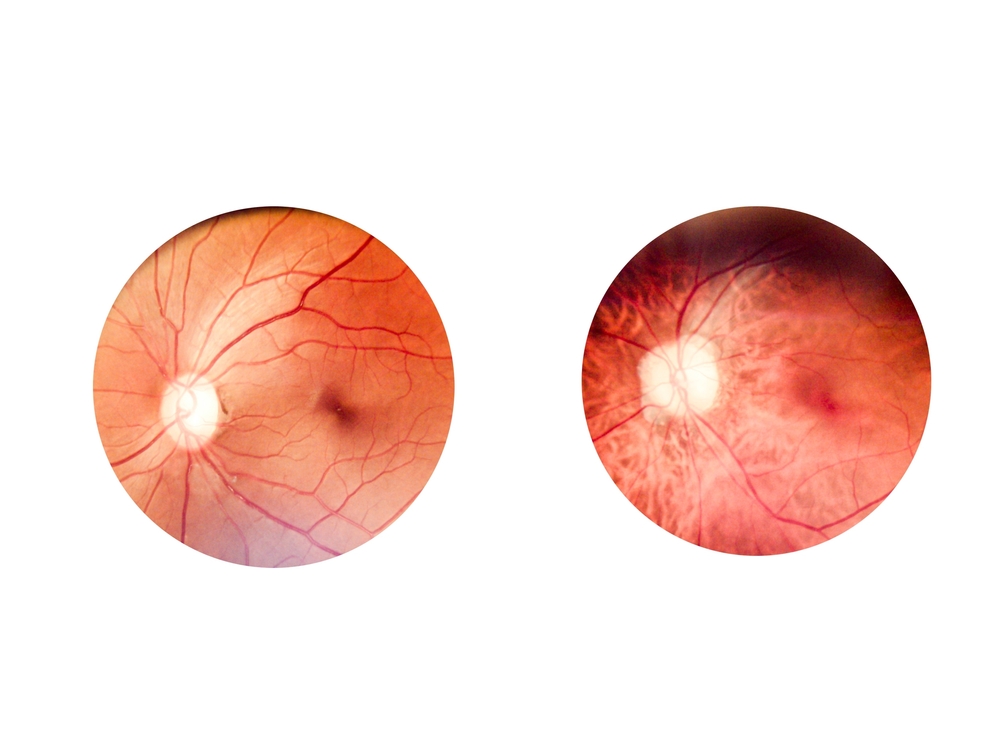
Vision Changes and Follow-Up Appointments
While some patients notice vision improvement within a few weeks, others may take longer depending on the severity of their diabetic retinopathy. Laser treatment helps stabilize vision by preventing further blood vessel leakage and retinal damage rather than fully restoring lost vision.
Regular follow-up visits with your ophthalmologist are crucial. These appointments allow your doctor to monitor healing progress, ensure the retina is responding well, and determine whether additional treatments are necessary.
Long-Term Eye Care
Even after laser eye surgery, diabetic retinopathy requires ongoing management. Maintaining healthy blood sugar, blood pressure, and cholesterol levels plays a vital role in preventing future complications. Routine diabetic eye exams remain essential to detect any new retinal changes early. We combine advanced technology with compassionate care to help patients manage diabetic eye disease effectively.
Get Professional Diabetic Retinopathy Care at Progressive Ophthalmology
Laser eye surgery for diabetic retinopathy in Queens can make a significant difference in protecting your eyesight and improving your quality of life. Understanding what to expect after surgery and closely following your ophthalmologist’s instructions will help ensure a successful recovery and lasting results.
If you’ve been diagnosed with diabetic retinopathy or are experiencing changes in your vision, contact Progressive Ophthalmology to schedule a consultation and discuss your treatment options. Visit our office in Queens, New York, or call (718) 565-2020 today.