Understanding Retinal Diseases: Causes, Symptoms, & Treatments
The retina plays an essential role in clear vision by detecting light and sending visual information to the brain. When a retinal disease affects this delicate tissue at the back of the eye, vision can become distorted, blurry, or impaired. At Progressive Ophthalmology, we diagnose and manage retinal conditions with careful evaluation and treatment based on each patient’s eye health and specific diagnosis.
What Are Retinal Diseases?
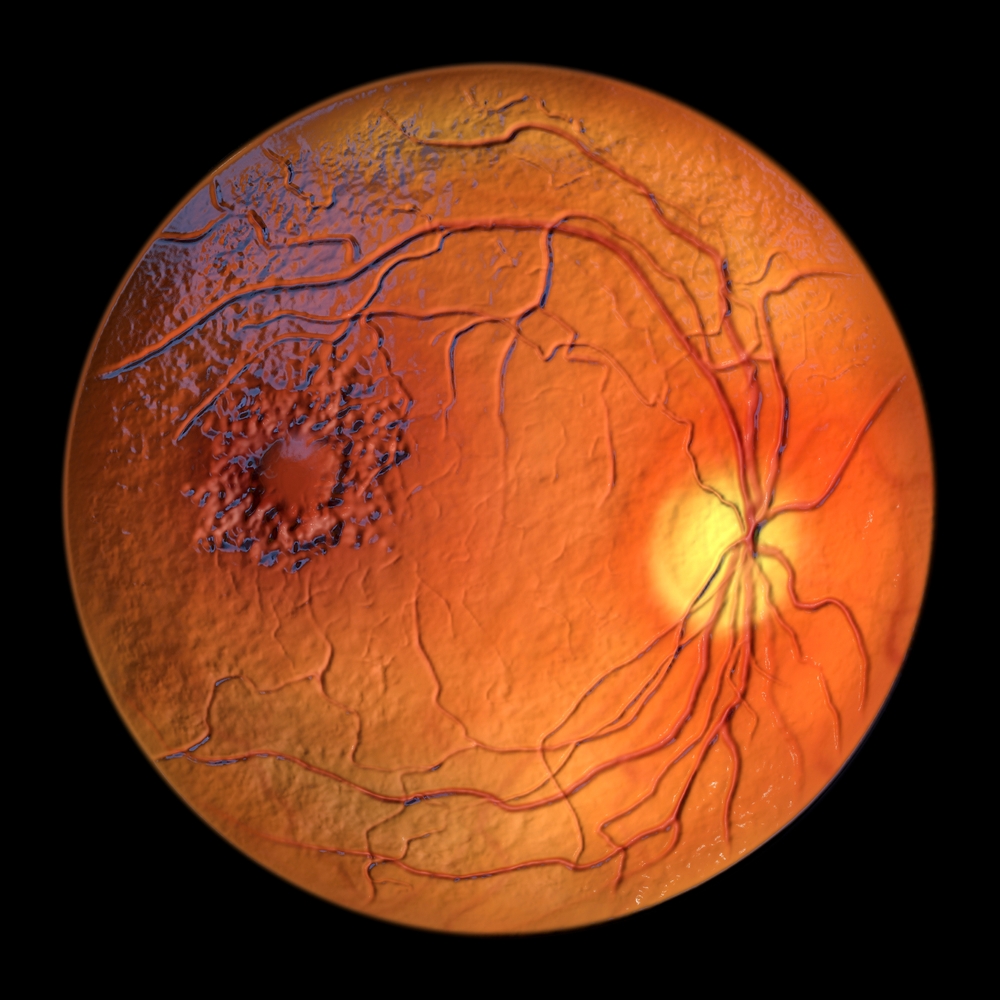
Retinal diseases include a range of conditions that affect the retina and its ability to function normally. Some develop gradually, while others can cause sudden changes that require prompt attention. Conditions such as diabetic retinopathy, age-related macular degeneration, and retinal detachment can threaten vision if they are not properly diagnosed and managed.
Certain retinal conditions are associated with aging, genetics, significant nearsightedness, diabetes, high blood pressure, or other underlying health factors. Regular comprehensive eye exams are particularly important because some retinal changes may develop before noticeable symptoms appear.
Symptoms of Retinal Disease
Symptoms vary depending on the type and severity of the retinal condition. Changes in vision should never be ignored, especially when they appear suddenly. Signs that may indicate a retinal problem include:
New or increasing flashes and floaters
Blurry, hazy, or distorted vision
A dark shadow or curtain across part of your vision
Reduced central or peripheral vision
Difficulty seeing fine details
Sudden or unexplained vision loss
A retinal detachment is especially time-sensitive because the retina separates from the tissue supporting it, creating a risk of permanent vision loss without prompt treatment.
How We Diagnose Retinal Conditions
A thorough eye examination allows us to evaluate the retina and look for abnormalities or signs of damage. Dr. Ahdoot may dilate the eyes to obtain a detailed view of the retina and other structures at the back of the eye.
Your medical history is also important. Conditions such as diabetes and high blood pressure can affect retinal health, so understanding your overall health helps us determine your individual risk and whether additional monitoring or testing is appropriate.
Retinal Disease Treatment Options
Treatment depends on the specific retinal disease, how advanced it is, and how it is affecting your vision. Some conditions require ongoing monitoring, while others require medical or surgical treatment.
For diabetic retinopathy and certain other retinal problems, treatment may include laser procedures designed to address abnormal or leaking blood vessels. Other retinal conditions may require eye injections, medications, or surgery. When treatment is necessary, we discuss your options clearly and develop a plan focused on protecting as much healthy vision as possible.
Protect Your Retina and Your Vision
Early diagnosis gives us the opportunity to identify retinal changes and determine the appropriate next steps before additional vision damage occurs. If you have noticed flashes, floaters, distorted vision, sudden changes in sight, or have risk factors for retinal disease, schedule an evaluation with us.
Schedule a retinal evaluation with Progressive Ophthalmology to get the answers and care you need to protect your vision. Contact our office in Queens, New York, by calling (718) 565-2020 to book an appointment today.