Cataract Evaluation: What To Expect And How To Prepare
Cataracts can make everyday vision feel cloudy, dim, or less sharp over time. You may notice more glare while driving at night, trouble reading small print, or colors that seem dull. A cataract evaluation helps determine whether cataracts are affecting your vision and whether treatment may be the right next step. At Progressive Ophthalmology in Queens, our cataract evaluation is designed to give you clear answers, explain your options, and help you feel prepared for each stage of care.
What Is A Cataract Evaluation?
A cataract evaluation is a detailed eye exam focused on the health and clarity of your eye’s natural lens. Cataracts develop when that lens becomes cloudy, which can interfere with how light enters the eye. During your visit, we assess how much the cataract is affecting your vision and daily activities.
This appointment is also a time to review your symptoms, medical history, lifestyle needs, and vision goals. Not every cataract needs surgery right away, so the evaluation helps us determine whether monitoring, updated glasses, or cataract surgery should be discussed.
Signs You May Need A Cataract Evaluation
Cataracts often develop slowly, so symptoms can be easy to dismiss at first. You may benefit from scheduling a cataract evaluation if you notice:
Cloudy, blurry, or hazy vision
Increased glare from headlights or sunlight
Trouble seeing clearly at night
Frequent prescription changes
Faded or yellowed colors
Difficulty reading, driving, or doing close-up tasks
These symptoms do not always mean you need surgery, but they are important reasons to have your eyes checked.
What To Expect During The Appointment
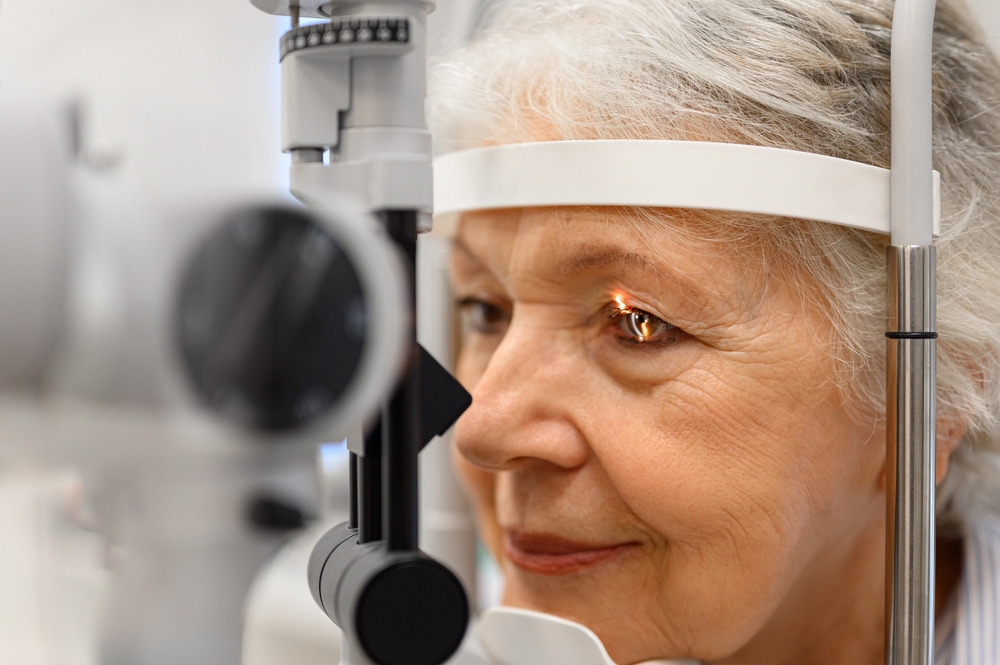
Your cataract evaluation may include vision testing, a review of your prescription, and a thorough eye health exam. We may dilate your pupils so we can examine the lens, retina, and other structures inside the eye more closely.
We will also discuss how your vision is affecting your daily life. For example, trouble driving at night, reading comfortably, working on a computer, or recognizing faces can help us understand how much your cataracts are interfering with your routine.
If cataract surgery is recommended, we will explain what the procedure involves and review lens implant options. This may include standard and premium intraocular lenses, depending on your eye health, prescription, and vision goals.
How To Prepare For Your Cataract Evaluation
Before your visit, bring your current glasses, a list of medications, and any relevant medical information. It is also helpful to think about when your symptoms started and which activities have become harder because of your vision.
Because dilation can make your eyes sensitive to light and temporarily blurry, you may want to bring sunglasses. Some patients also prefer to have someone drive them home after the appointment, especially if they are unsure how dilation affects them.
Ready To Understand Your Cataract Options?
A cataract evaluation does more than confirm whether you have cataracts. It also helps rule out other eye conditions that may cause similar symptoms, such as dry eye, glaucoma, or retinal concerns. Getting an accurate diagnosis allows us to recommend care based on your full eye health, not just your symptoms. If cataracts are still mild, we may simply monitor them over time. If they are affecting your quality of life, we can guide you through the next steps with a clear plan.
Schedule your cataract evaluation with Progressive Ophthalmology to learn more about treatment options. Visit our office in Queens, New York, or call (718) 565-2020 to book an appointment today.